

Truck Accident Attorney in Lake Mary, Florida
A crash with a tractor-trailer, semi-truck, or 18-wheeler isn’t a standard fender-bender—it’s a high-stakes commercial case from the moment the impact happens. Trucking carriers and billion-dollar logistics companies often deploy rapid-response teams within hours: investigators, safety directors, and defense attorneys working to control the narrative, limit liability, and minimize what your truck accident claim is worth.
We level the playing field. Our law firm has the resources to investigate commercial truck crashes, preserve black box evidence, and take on aggressive insurers, adjusters, and carriers—so you can focus on medical care and recovery.
Why Truck Accidents Are Legally Different From Car Crashes
Commercial truck accidents are governed by a mix of Florida negligence law and federal trucking regulations. They also tend to involve larger policies, more defendants, and more resistance from insurance companies—especially when catastrophic injury or wrongful death is involved.
Federal Trucking Regulations (FMCSA)
Truck drivers and carriers must comply with FMCSA safety rules, including Hours of Service (HOS) limits designed to prevent fatigued driving. Violations of HOS rules can support negligence and liability—especially when driver logs, dispatch records, and ELD data show a pattern of pushing unsafe hours.
Multiple Liable Parties
A truck collision often involves more than “driver vs. driver.” Depending on what caused the wreck, the liable parties may include:
- The driver (negligence, distracted or impaired driving, unsafe merging, speeding)
- The carrier / trucking company (including vicarious liability)
- A cargo loader or shipper (improper loading, unsecured cargo, load shifts)
- A maintenance provider (brake failure, tire blowout, skipped inspections)
- A manufacturer (defective parts contributing to jackknife, underride, or rollover)
This is why commercial truck accident attorneys investigate early and thoroughly—these cases are won by a truck accident lawyer on evidence.
Higher Insurance Limits
Commercial carriers often carry higher limits than standard auto policies. Federal rules set minimum financial responsibility requirements for many interstate property carriers (commonly $750,000 for non-hazardous freight), and higher levels apply in hazmat scenarios.
Higher limits can mean higher resistance—because there’s more money on the line.
Immediate Action: Preserving the “Black Box” Evidence
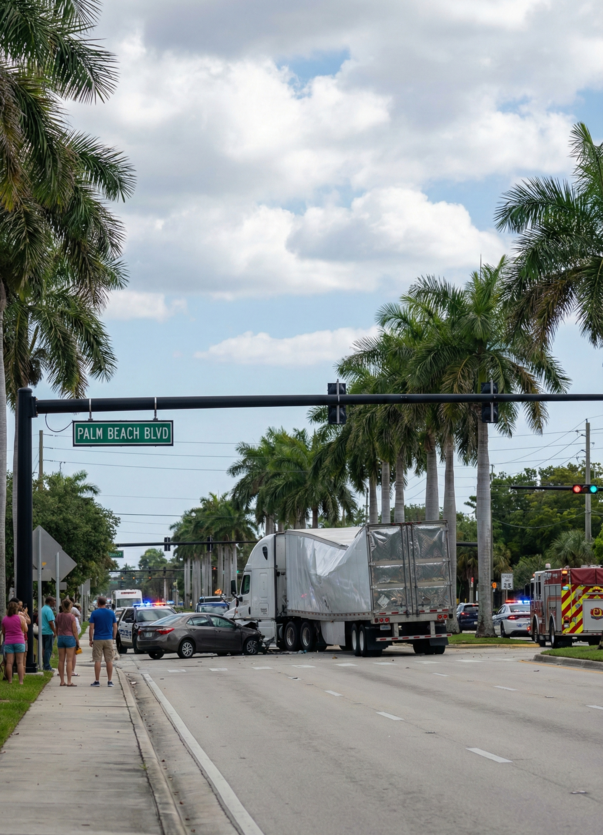
In trucking cases, the most important evidence can disappear fast. The earlier your truck accident lawyer acts, the better the odds of preserving the data that proves fault.
The Spoliation Letter
Trucking companies may legally overwrite or discard certain records on regular retention schedules—especially electronic logs and onboard data—unless they receive a formal preservation notice. We send an immediate letter of spoliation to demand the carrier preserve driver logs, ELD files, dispatch communications, maintenance records, bills of lading, inspection reports, and onboard electronic data.
This urgency is real: evidence can be lost in days or weeks, not months.
Electronic Control Module (ECM) Data
Many tractor-trailers have onboard “black box” data (ECM) that can help reconstruct what happened:
- speed and braking (or failure to brake)
- throttle inputs
- sudden deceleration events
- engine/vehicle behavior around the moment of impact
We work with accident reconstruction experts to download and analyze ECM/ELD information and correlate it with skid marks, crush depth, witness statements, and roadway conditions.
Common Causes of Semi-Truck Accidents in Lake Mary
Busy commercial corridors create unique hazards for passenger vehicles sharing the road with heavy trucks.
Driver Fatigue & Hours of Service Violations
Delivery pressure and long interstate hauls can lead to fatigued driving—particularly on I-4 and the Florida Turnpike. When carriers push schedules that encourage HOS violations, they can be held accountable under negligence and regulatory safety standards.
Improper Loading & Cargo Shifts
Unbalanced or unsecured cargo can cause a rollover, jackknife, or loss of control—especially on ramps, curves, and during sudden braking. We investigate load securement, weight distribution, cargo documentation, and the bill of lading to identify who breached safety duties.
Negligent Hiring & Training
Some carriers cut corners by hiring inexperienced drivers to fill shortages—without proper screening, training, or supervision. We investigate CDL qualifications, safety history, and internal policies to determine whether negligent hiring or retention contributed to the crash.
High-Risk Trucking Corridors and Collision Zones
Commercial truck crashes aren’t random—they concentrate in the same kinds of places where heavy, articulated vehicles are forced to brake, merge, and maneuver under pressure. We routinely see serious wrecks in:
- Major interstates (high-speed traffic, sudden slowdowns, aggressive lane changes, and rear-end impacts)
- Construction and congestion zones (narrow lanes, uneven pavement, abrupt merges, and limited sightlines)
- Toll roads and expressways (heavy commercial volume, higher speeds, and long stopping distances)
- Primary U.S./state highways (frequent intersections, turning conflicts, and stop-and-go traffic)
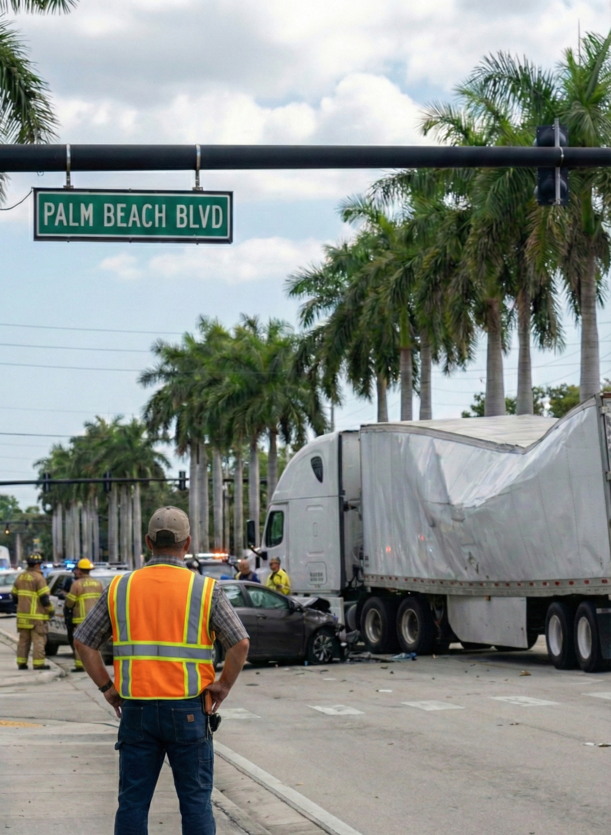
- Busy intersections and commercial corridors where trucks wide-turn, block lanes, swerve, or merge—often creating blind spot “no-zone” collisions with passenger vehicles
Important Florida Personal Injury Laws You Must Know
Types of Commercial Vehicles We Litigate Against
- 18-Wheelers / Semi-Trucks / Tractor-Trailers
- Delivery vans
- Dump trucks (common in Lake Mary construction zones)
- Tanker trucks / Hazmat transport
- Tow trucks and other heavy commercial vehicles
Compensation for Catastrophic Trucking Injuries
Truck accident victims often face severe, permanent harm—and the damages must reflect the true long-term cost of the injuries. This is why you need to hire a Lake Mary personal injury lawyer immediately.
Long-Term Care & Life Care Plans
Commercial truck crashes can cause TBI, spinal cord injuries, amputation, and other catastrophic injuries requiring lifetime treatment. We work with medical experts, life care planners, and economists to quantify:
- future medical expenses and rehabilitation
- assistive devices and home modifications
- long-term care needs
- lost wages and reduced earning capacity
- pain and suffering and other non-economic damages
Wrongful Death Claims
If your family lost a loved one in a fatal truck collision, we provide compassionate, aggressive representation and pursue a wrongful death lawsuit against the negligent driver, carrier, and any other liable parties.
Florida Truck Accident Laws
Two-Year Statute of Limitations
Florida’s 2023 tort reform shortened the time to file many negligence lawsuits—generally two years.
But in trucking cases, the practical deadline is much sooner—because black box data, logs, and witness availability can fade quickly.
Modified Comparative Negligence
Florida’s modified comparative negligence rule can bar recovery if you’re found more than 50% at fault in many negligence cases.
Trucking defense teams often try to shift blame (“you were in the blind spot/no-zone,” “you cut in,” “you braked suddenly”). We fight back with forensic evidence, reconstruction, and witness testimony to prevent unfair fault allocation.
Contact Our Lake Mary Truck accident Attorneys Today
Kennon Law attorneys can see why your claim was denied and help you file an appeal. If the insurance company is acting in bad faith and denying a legitimate, well-documented claim, we may also be able to file a bad-faith insurance lawsuit on your behalf. Contact us today for more information.
Frequently Asked Questions
Often both. Drivers can be personally liable for negligence, and carriers may be liable under vicarious liability (and for their own negligent practices like hiring, training, and maintenance).
It depends on liability, injury severity, future medical costs, lost income, and available insurance coverage. Truck cases often involve higher policy limits than standard auto accidents, which can increase potential compensation—but also increases insurer resistance.
Carriers may still be liable depending on the facts, the level of control, the contract structure, and applicable regulations. We investigate the relationships and pursue every responsible party.
Yes—jackknife crashes can be caused by driver error, speed, unsafe braking, overloaded cargo, poor maintenance, hazardous road conditions, or mechanical failure. The key is investigating quickly and preserving the right evidence.
Testimonials
Awards & Honors


Contact us now
Have questions or need legal assistance? Contact Kennon Law today for expert guidance on personal injury and insurance claims.

