


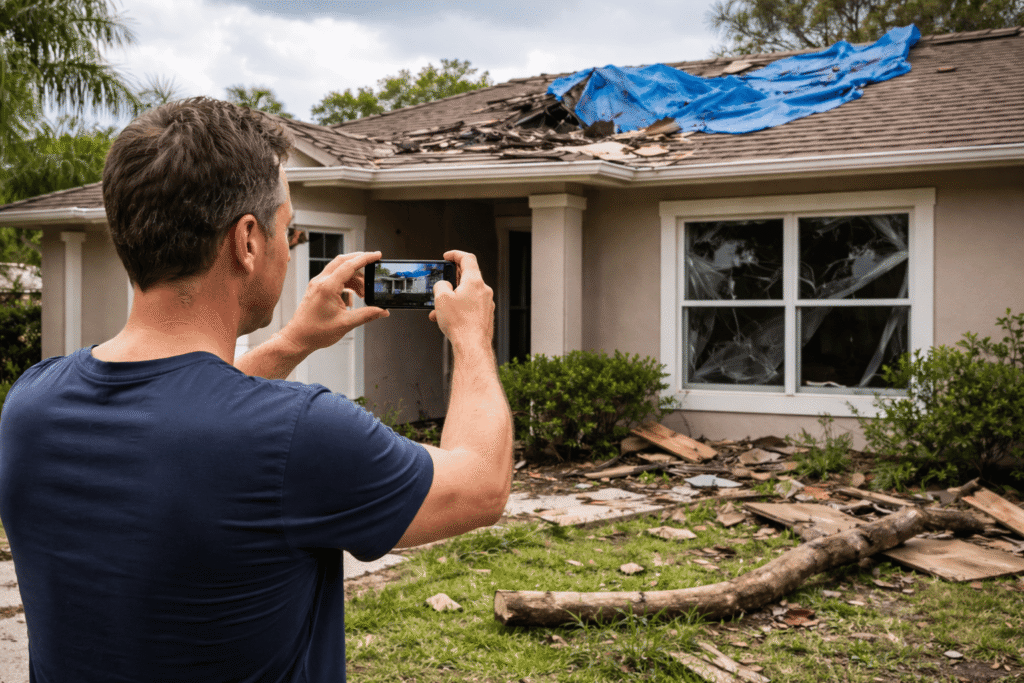
Mastering how to document storm or tornado damage for your insurance claim is the most vital step toward ensuring your insurance provider delivers fair compensation for extensive property damage. By compiling thorough documentation, including itemized inventory lists and undeniable visual evidence, you can navigate the complex claims process to secure a successful claim and a fair settlement after severe weather occurs.
Quick Action Steps for Contacting Your Insurance Company
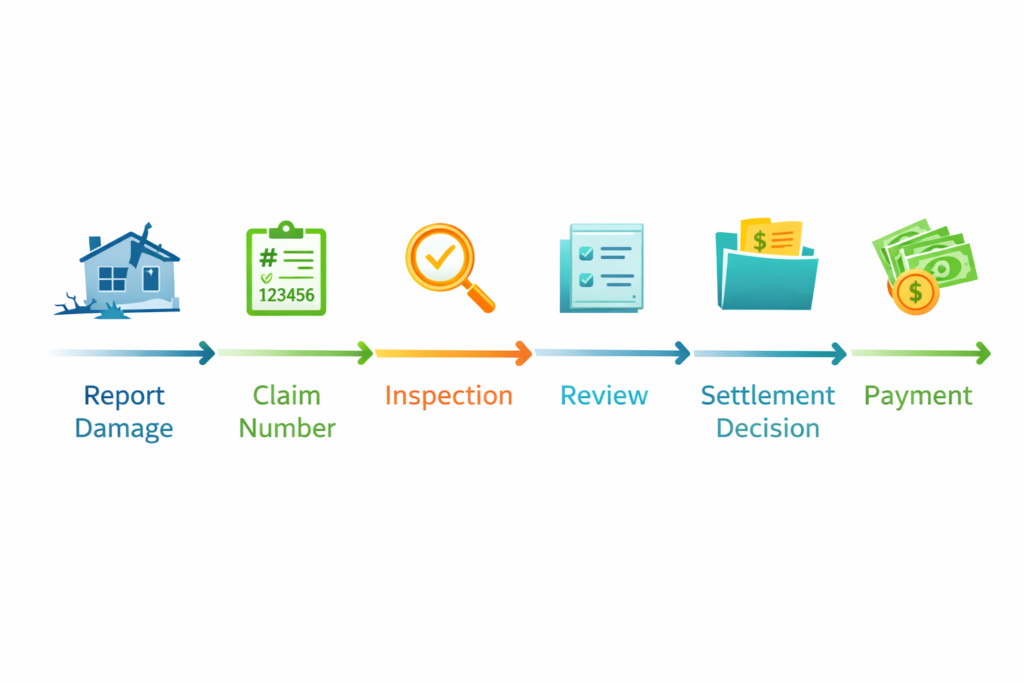
Notifying your insurance company and securing a unique claim number are the most critical first steps following a severe weather event. You should report the damage to your insurer immediately to kickstart a smoother claims process and prevent denied claims that often result from unnecessary reporting delays.
To effectively initiate your storm damage insurance claim, follow these proactive measures:
- Report the Damage: Contact your insurance agent or the carrier’s hotline to notify them that significant damage has occurred.
- Record the Claim Number: Immediately track and record the claim number provided; this is your primary reference for all future claim documentation.
- Verify Deadlines: Ask about specific filing claims deadlines to ensure your submission is timely and accurate.
- Request an Inspection: Ask for an adjuster’s visit or a virtual roof inspection to begin the professional assessments of your property damage.
Safety, Emergency Repairs, and Preventing Further Damage
Prioritizing personal safety and performing temporary emergency repairs is essential before you begin a comprehensive roof inspection. You must ensure the environment is safe and free from immediate danger or structural instability before you document damage or inventory your belongings.
To protect your home while maintaining undeniable visual evidence, keep these steps in mind:
- Document Before Fixing: Always photograph and record the extensive damage before you start any temporary fixes.
- Mitigate Further Damage: Use proactive measures like covering broken windows or tarping the roof to mitigate leaking and protect the interior.
- Keep All Receipts: Secure and preserve all receipts for materials and emergency repairs to ensure receiving fair compensation.
- Delay Permanent Repairs: Do not repair the home permanently until an insurance adjuster performs a thorough assessment and verifies the repair costs.
Documenting Storm Damage: Visual Evidence and Metadata
Capturing comprehensive photos and videos with date-stamped metadata provides the detailed documentation required for a successful claim. These digital records serve as corroborate evidence when the insurance provider calculates replacement costs and repair estimates.
When you document storm damage, follow this step-by-step guide:
- Multiple Angles: Take clear photos of every room and external area from multiple angles to show the full scale of property damage.
- Close-Ups: Capture close-ups of specific hail impact, wind damage, or broken windows.
- Video Walkthrough: Record a thorough video walkthrough to summarize the functional and aesthetic loss throughout the home.
- Preserve Metadata: Save every file with original date and time stamps to verify exactly when the damage occurred.
Review Your Insurance Policy and Coverage Details
Understanding your insurance policy allows you to identify your coverage limits, deductible, and any specific exclusions. You must locate your declarations page to verify how your insurance provider will assess wind damage or hail impact.
Key details to record include:
- Deductible Amount: Determine if your deductible is a flat fee or based on a percentage.
- Exclusions: Check for tornado or storm surge exclusions that might require a separate flood insurance policy.
- Additional Living Expenses: Confirm if your policy coverage includes costs for staying elsewhere during repair work.
- Loss of Use: Identify the coverage limits for the loss of use of your primary residence.
Preparing for the Insurance Adjuster
Organizing your visual evidence and being present for the professional assessments helps ensure your claim is handled fairly. You should schedule an appointment for the adjuster’s visit and have your inventory list and contractor bids ready for their review.
Walk the insurance adjuster through the affected areas, pointing out both extensive and minor property damage. Provide them with your detailed documentation and any independent repair estimates you have already obtained. Having your own licensed contractors provide multiple estimates can help if discrepancies arise regarding the depreciated value of your home. This thorough preparation is a proactive measure that helps you achieve a successful claim and fair settlement.
How the Insurer Will Process Claims and Timelines
Understanding how the insurance provider will process claims and the associated timelines helps many homeowners manage their expectations after severe weather. You should ask your insurance agent for a step-by-step guide on their internal procedures to ensure your storm damage case stays on track.
To navigate the claims process efficiently, request the following information from your insurer:
- Initial Contact: Ask who your primary insurance adjuster contact will be for regular updates.
- Assessment Timeline: Request an expected timeline for the professional assessments and the final inspection report.
- Decision Deadlines: Ask for written confirmation of when you can expect a fair settlement offer or a coverage decision.
- Payment Procedures: Inquire about how they handle replacement costs versus depreciated value payments.
In Florida, many insurers are generally required to acknowledge a claim within 14 days and make a final payment decision within 90 days. Staying informed about these milestones can make a significant difference in avoiding delays.
Emergency Repairs Reimbursement and Recordkeeping
Securing emergency repairs reimbursement requires meticulous recordkeeping and detailed documentation of every temporary fix made to mitigate further damage. You must save all invoices for emergency work to substantiate your related expenses when you file your final storm damage insurance claim.
To ensure you receive fair compensation for these costs:
- Before and After Photos: Photograph the property damage before you start temporary repairs and again once the work is complete.
- Itemized Invoices: Obtain itemized invoices from licensed contractors that clearly summarize labor and material costs.
- Submit the Packet: Submit all receipts for covering broken windows or debris removal as part of your claim documentation.
- Preserve Damaged Materials: Whenever possible, preserve pieces of damaged property for the insurance adjuster to inspect during their adjuster’s visit.
If Your Insurance Claim Is Denied Or Underpaid
Securing emergency repairs reimbursement requires meticulous recordkeeping and detailed documentation of every temporary fix made to mitigate further damage. You must save all invoices for emergency work to substantiate your related expenses when you file your final storm damage insurance claim.
To ensure you receive fair compensation for these costs:
- Before and After Photos: Photograph the property damage before you start temporary repairs and again once the work is complete.
- Itemized Invoices: Obtain itemized invoices from licensed contractors that clearly summarize labor and material costs.
- Submit the Packet: Submit all receipts for covering broken windows or debris removal as part of your claim documentation.
- Preserve Damaged Materials: Whenever possible, preserve pieces of damaged property for the insurance adjuster to inspect during their adjuster’s visit.
Thorough documentation of all temporary fixes and debris removal ensures your appeal is substantiated. The experienced team at Kennon Law provides a free consultation to help you navigate denied tornado insurance claims by negotiating with your insurance provider. We leverage our deep understanding of Florida law to ensure your structural damage is fully covered, turning denied claims into a fair settlement that covers all replacement costs.
Working With Contractors, Public Adjusters, And Your Insurance Provider
Effectively working with licensed contractors, public adjusters, and your insurance provider requires clear communication and accurate repair estimates. You should obtain written estimates from multiple contractors to corroborate the actual costs of fixing significant damage to your home.
| Professional Role | How They Assist Your Claim |
| Licensed Contractor | Provides detailed contractor bids and performs structural repairs. |
| Public Adjuster | Offers expert assistance in negotiating a fair settlement. |
| Insurance Provider | Reviews claim documentation and issues payment based on policy coverage. |
| Legal Counsel | Provides advocacy for denied claims or complex potential disputes. |
Always share your multiple estimates with the insurance adjuster to show that your repair costs are substantiated. Avoid paying full amounts to contractors before the repair is finished to ensure the work meets professional standards.
Final Checklist Before Submitting Insurance Claims
Completing a final checklist before filing claims ensures your submission is comprehensive and contains undeniable visual evidence. You must attach all photos and videos along with your itemized inventory list and receipts to the claim number provided by your insurer.
| Checklist Item | Description |
| Visual Evidence | Detailed photos and videos from multiple angles. |
| Financial Records | Itemized inventory, receipts, and repair estimates. |
| Professional Bids | Written estimates from licensed contractors. |
| Claim Details | Your claim number and the insurance adjuster’s contact info. |
Double-checking this thorough documentation helps you avoid delays and makes a significant difference in achieving a successful claim.
FAQ
Reporting damage to your insurance provider immediately is the best way to start a smoother claims process. You must notify your insurance agent to obtain a claim number and track all filing claims deadlines. This timely action helps you avoid delays when disaster strikes your property
Performing temporary emergency repairs is a proactive measure to mitigate further damage like broken windows or roof leaks. Always photograph the property damage before starting temporary fixes. Preserve all receipts for materials and professional labor to ensure you receive fair compensation for these related expenses.
Taking clear photos and recording videos from multiple angles provides undeniable visual evidence for your claim. Ensure you capture close-ups of hail impact and wind damage. Saving files with date metadata helps corroborate exactly when the damage occurred, which is essential for a successful claim.
Reviewing your insurance policy carefully helps you identify your deductible, coverage limits, and any tornado exclusions. Look for loss of use coverage and whether you need a separate flood insurance policy for storm surge. Understanding these policy coverage details helps you negotiate a fair settlement.
Seeking a free consultation and requesting a written explanation are necessary steps if your insurance claim is denied. You can hire a public adjuster for professional assessments or seek legal advocacy to resolve potential disputes. This ensures your extensive structural damage is handled fairly and substantiated.